
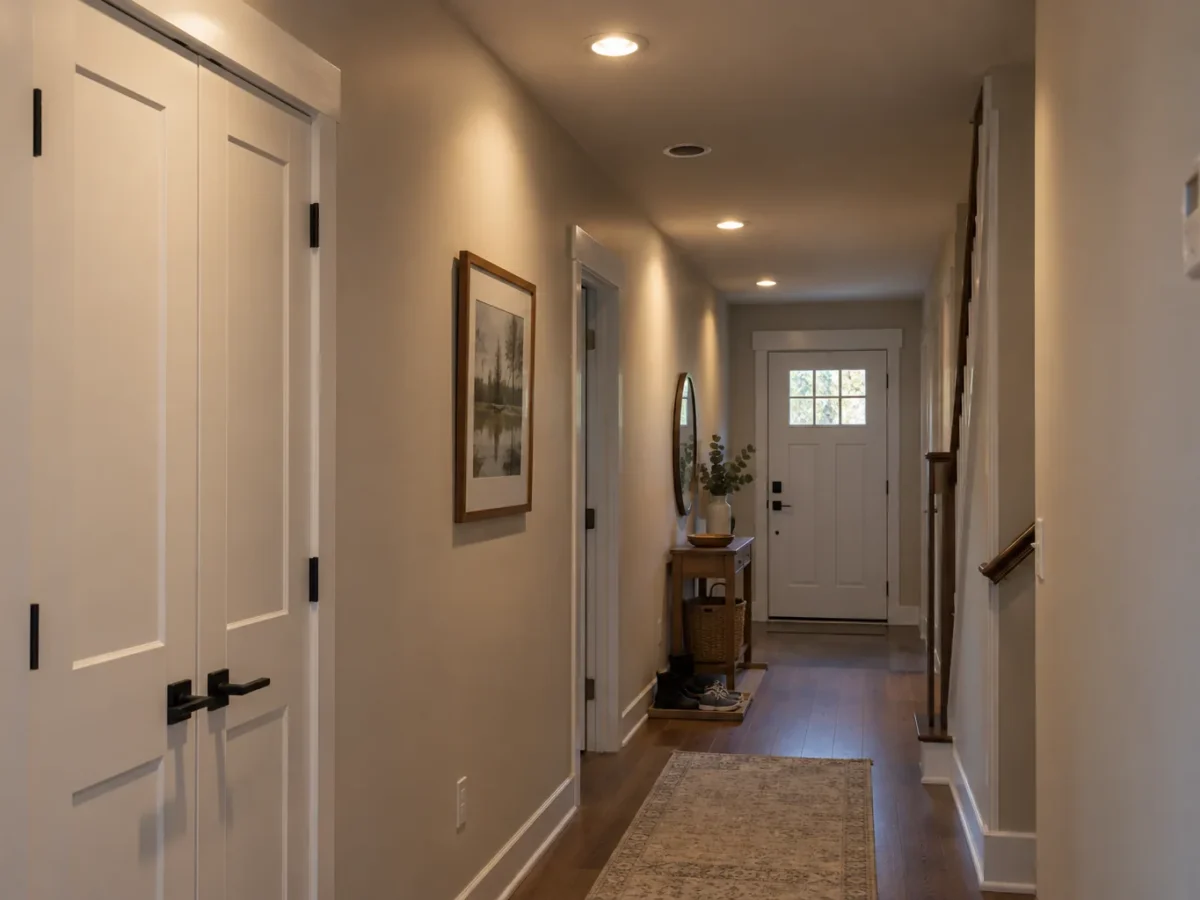
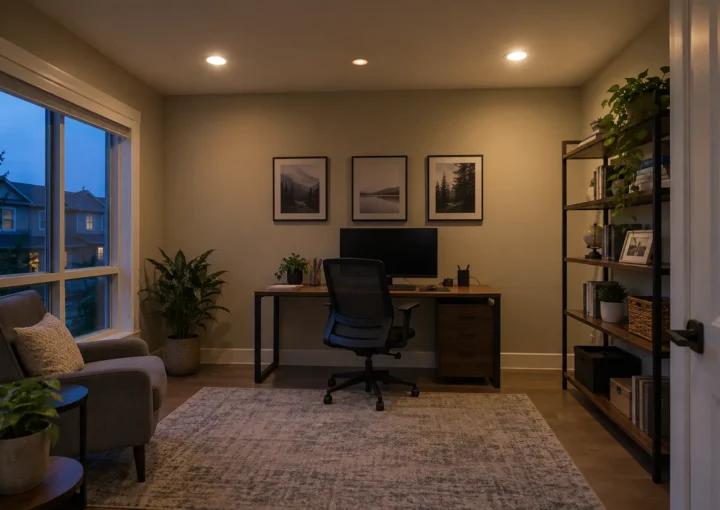
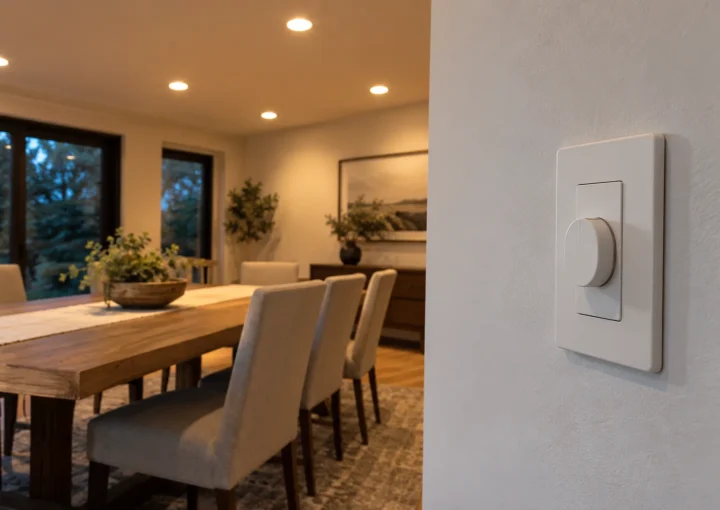
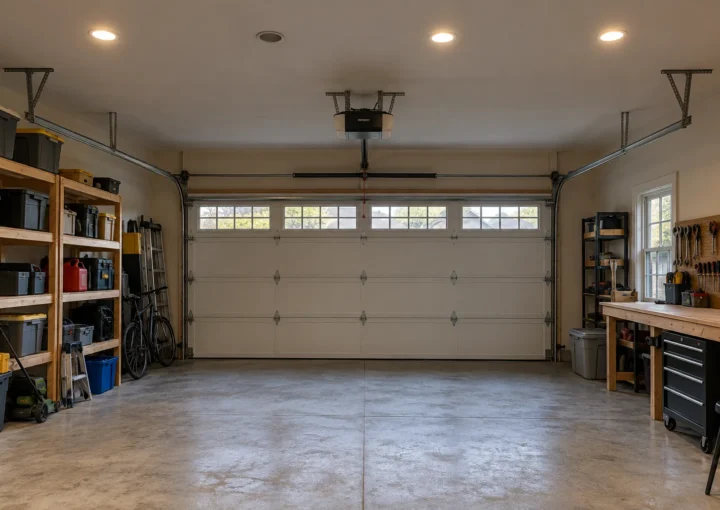


Flicker, glare, weak light or a failed fitting is an observation, not a diagnosis. Use these focused guides to describe the symptom clearly and understand what an assessment may need to consider.
Describe what happens before choosing a repair
A light may flicker only at one dim level, when another appliance starts, or after it has warmed up. A group of fixtures may fail together while an isolated fitting behaves differently. The pattern is useful, but it does not confirm a driver, connection, product, supply or control fault by itself. Avoid swapping random electrical parts in response to an uncertain symptom.
Lighting complaints are not always electrical faults. A room can feel dark because useful surfaces are outside a narrow beam, wall finishes absorb light or a high ceiling puts an underspecified fixture far from the task. Glare can result from position, brightness, beam, reflective surfaces or an unhelpful control arrangement. These design issues deserve a different solution from a failed component.
The nine common symptoms
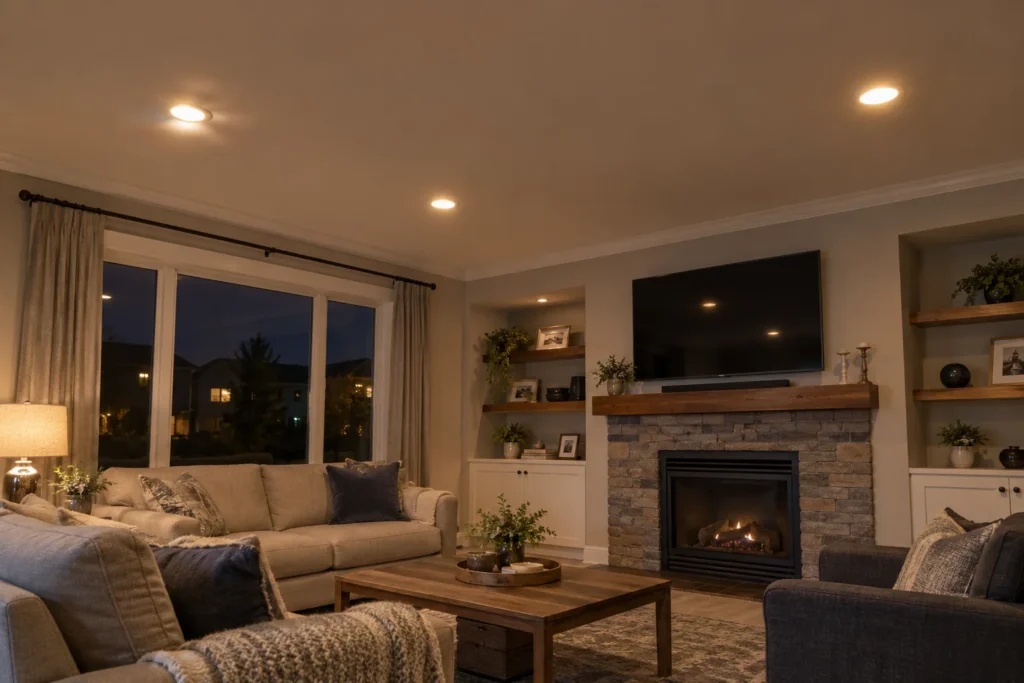
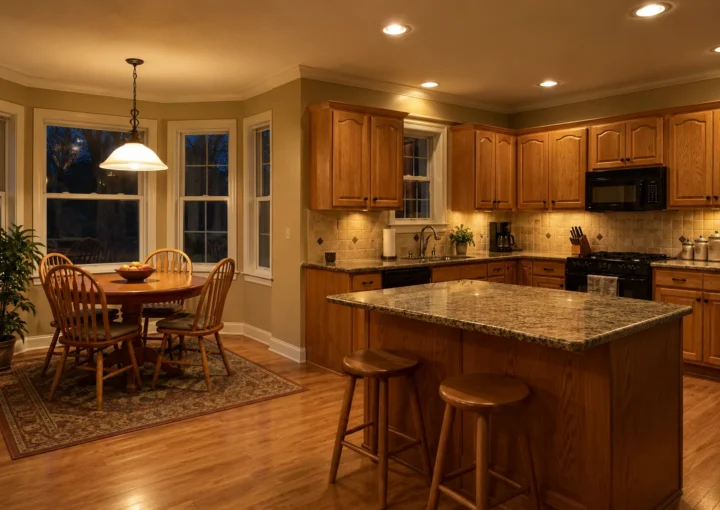
Flickering pot lights can involve lamps, LED drivers, dimmer compatibility or other conditions; the timing and number of affected fittings matter.
Buzzing lights or dimmers examines where the sound occurs and whether it changes with brightness or a product replacement.
Pot lights not working distinguishes a single failed fitting from a whole zone that has stopped operating.
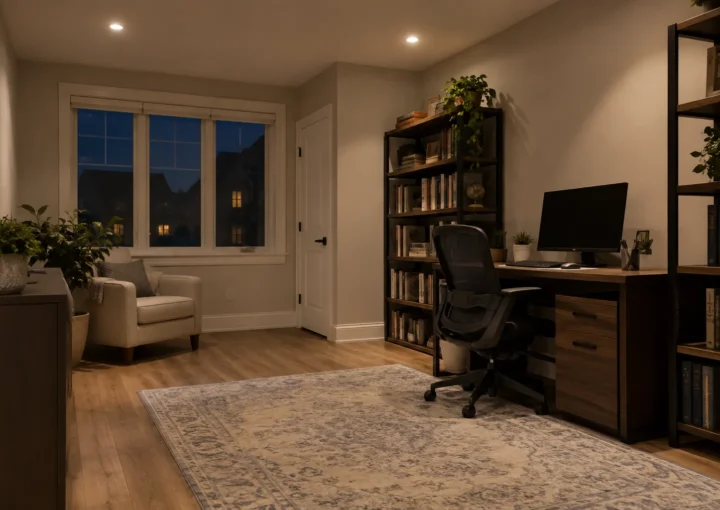
A room that still looks dark explores output, beam, height, wall reflectance, tasks and missing layers.
Pot-light glare looks at seated views, screens, glossy surfaces and control range.
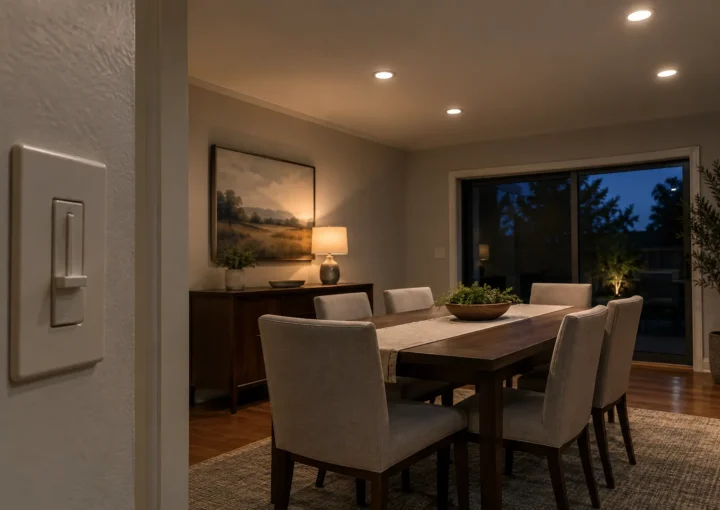
LED dimmer problems address poor range, flicker, drop-out and compatibility questions.
Soffit lights not working bring exterior exposure, controls and multiple affected zones into the description.
Mismatched light colour compares Kelvin rating, product differences, replacements and connected-room continuity; it is not inherently a defect.
Old recessed lighting considers halogen heat, aging trims, housings, available LED conversion and dimming.
Information that makes an assessment useful
Record which fixtures are involved, when the issue began, what changes it, whether a dimmer or timer is present and any product labels or invoices you have. Photographs or a short video can help communicate the visible behavior, but an online description cannot establish the underlying condition. If there is a burning smell, visible damage, unusual heat or repeated protective-device operation, stop using the affected equipment and arrange prompt qualified assessment.
Where a replacement or wiring change is proposed, Ontario’s electrical notification and product-approval rules still matter. ESA states that almost all electrical work requires notification and that a hired Licensed Electrical Contractor files for their own work. See the electrical requirements guide for the official process, or lighting repairs for the service scope.
Frequently asked questions

Does flickering always mean the dimmer is wrong?
No. Compatibility is one possible category, alongside the fixture, driver, connections and supply. Diagnosis is needed.
Can more pot lights fix a dark room?
Possibly, but better placement, output, beam, wall lighting or dedicated task fixtures may be more effective than adding a uniform row.
Is a mixed colour temperature dangerous?
Usually this is a visual mismatch rather than a confirmed safety fault. Verify the product, behavior and context before drawing conclusions.
One fitting or many?
The number and location of affected lights can help define the assessment. One fixture with an intermittent symptom may lead to a different investigation from an entire group controlled by the same switch. A problem that begins after a dimmer change offers another clue, but the clue still needs confirmation against the actual products and wiring. Note whether the symptom appears immediately or after the light has run for a while. Avoid repeatedly resetting a tripping device or continuing to operate visibly damaged equipment.
Exterior clues
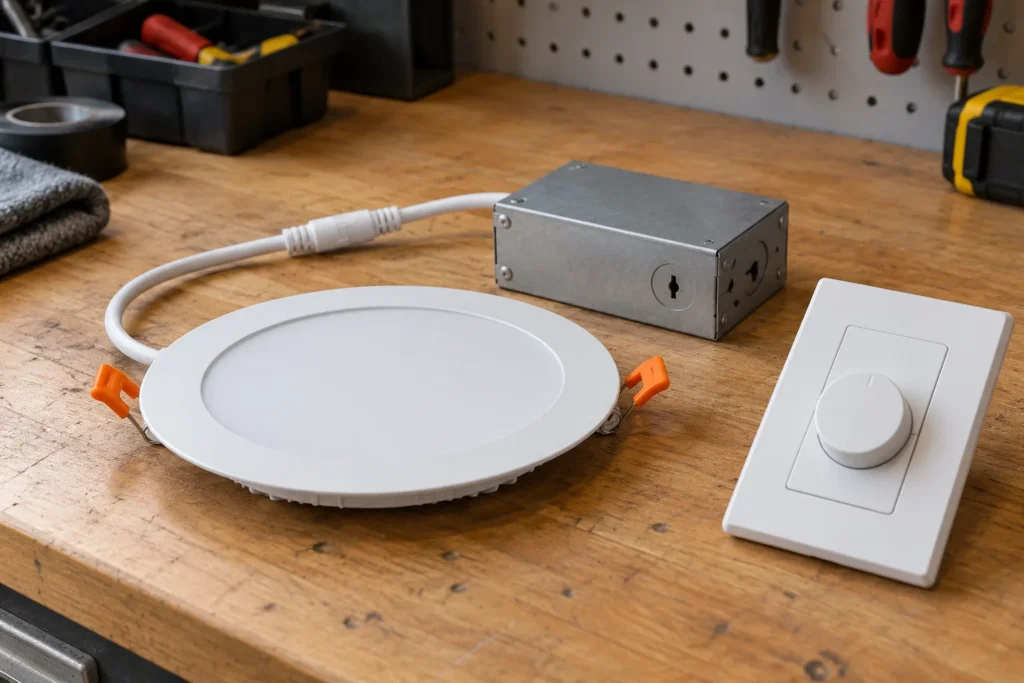
A soffit fitting can stop working because of a product, driver, control, connection or supply issue, and exposure can be relevant. Record whether the issue follows rain, freezing conditions, a timer schedule or a sensor setting. A whole roofline going dark and one isolated light call for different questions. Outdoor troubleshooting also has product-suitability implications; replacing an exposed fitting with a visually similar indoor model is not an appropriate shortcut.
Deciding when to seek help
Changes in light colour or a room that feels flat may be planning issues rather than emergencies. Sudden failures, repeated tripping, visible damage, burning smell or unusual heat deserve a more urgent qualified assessment. This distinction does not diagnose a fault online; it helps communicate the condition responsibly. Provide photographs, product labels and a clear timeline, then discuss the next assessment step. The appropriate electrical process depends on the eventual work performed.
Flicker and buzzing
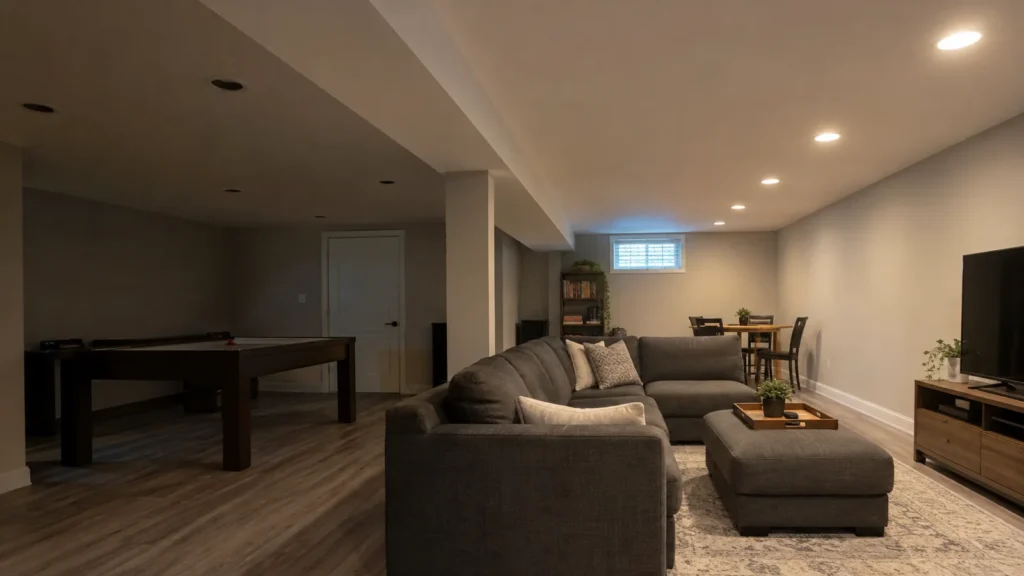
Intermittent light can be particularly hard to describe after the fact. Note whether it occurs on startup, only when dimmed, after warming, at certain times or when another appliance operates. Buzzing may be heard at the fitting, driver or wall control. These observations can help narrow the assessment, but they do not identify a defective part by themselves. The LED, driver, dimmer, connections and supply are distinct possibilities. Avoid assuming a new dimmer alone will resolve every symptom.
A dark room versus a failed circuit
A room may feel underlit even when every fixture works. The walls can absorb light, the beams can miss counters or seating, or a high ceiling can place too little useful illumination where people need it. The remedy could involve output, beam, position, wall lighting or another task layer. By contrast, a whole zone that suddenly goes out calls for electrical assessment. Describing when the condition began and what changed helps separate planning dissatisfaction from a new malfunction.
Visual discomfort
A fitting can feel too bright because its emitter is directly visible from a sofa or stair landing, because its beam hits a television, or because the room has reflective finishes. Dimming may help, but it does not change every sightline or beam characteristic. Check normal viewing positions, not just how the ceiling looks standing in the middle of the room. In exterior applications, glare can affect entrances, driveways and neighbours; careful aiming and appropriate output matter.
Colour mismatch
A new replacement beside older fittings can look warmer, cooler or different in tint even when the packaging lists a familiar Kelvin number. Connected rooms can amplify the difference. Before changing every lamp, note product models, driver or trim differences, colour settings and whether one fitting changed over time. Colour temperature is a preference and design decision as well as a specification, so a mismatch is not automatically evidence of an electrical fault.
Aging recessed systems
Old halogen fixtures, early LED conversions and failed drivers have different upgrade paths. Existing housings and wiring may be reusable with a suitable approved product in some situations, while other conditions require replacement. Heat concerns, discoloration or repeated failures deserve professional assessment. A proposed LED upgrade also needs to account for the actual dimmer and colour continuity rather than only a claimed energy saving.
What to include with a request
List the affected locations, when the symptom occurs, any relevant dimmer setting, recent product changes and available model numbers. A brief video can show flicker or buzzing behavior, but it cannot establish concealed electrical conditions. Mention any unusual heat, damage, smell or repeated protective-device operation right away. The follow-up can then focus on an appropriate inspection and solution rather than a speculative part order.