
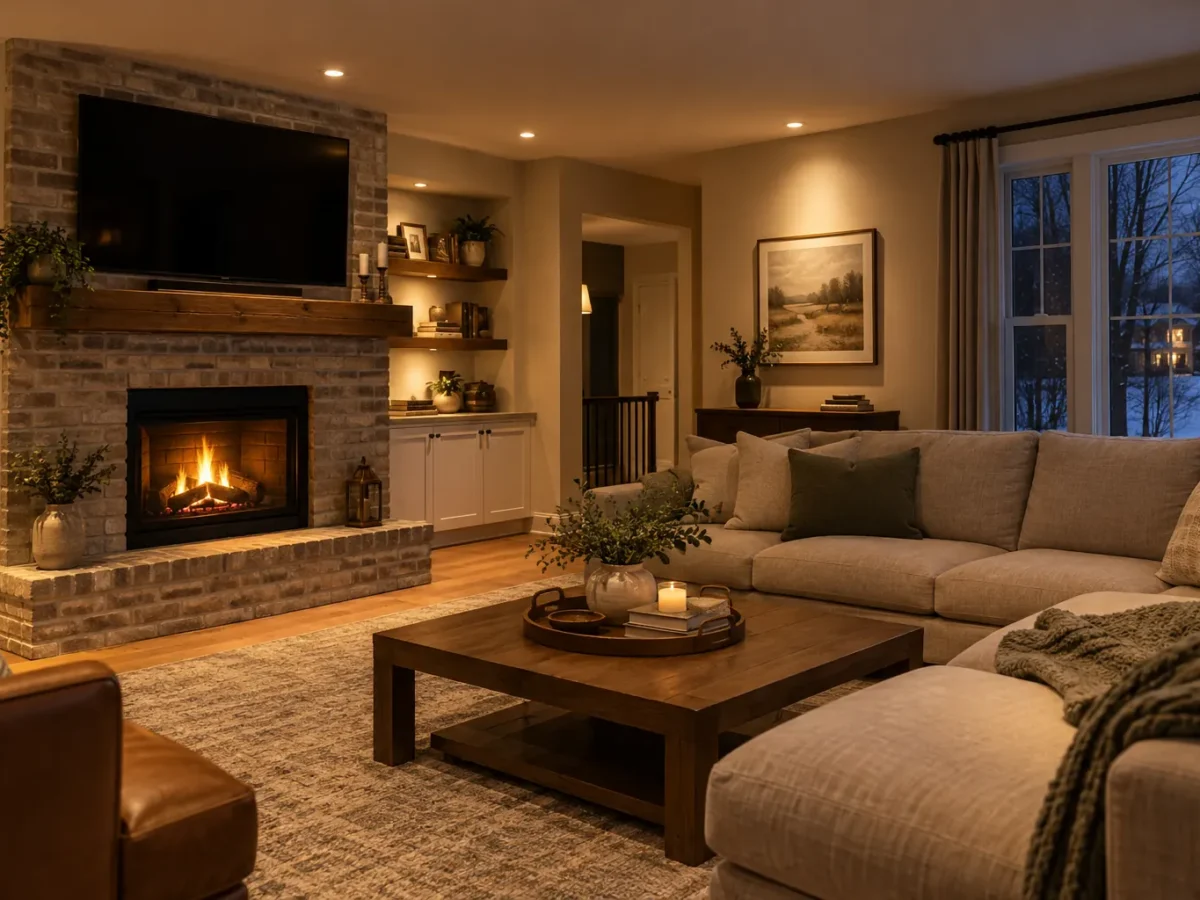

Lighting should be easy to operate, suitable for the space and dependable over time. Explore controls, outdoor lighting, troubleshooting and focused commercial work as distinct services.
The system matters as much as the light
A fixture can be correctly positioned yet frustrating if the control is in the wrong place, the LED and dimmer do not work together or every space shares one switch. A practical plan identifies the expected daily scenes: full task brightness, softer evening use, exterior schedules or a simple wall control that remains intuitive for everyone at home. Smart features are useful when they solve a real need, not when the room becomes dependent on a phone application.
When a light fails or flickers, the visible symptom does not establish the electrical cause. The lamp or LED module, driver, dimmer, wiring, connection, control and supply all may be relevant. A diagnosis starts with the observed behavior, affected locations and product information; parts are not replaced at random. Unexpected heat, damage, burning smell or tripping equipment calls for prompt professional attention.
Six focused service paths
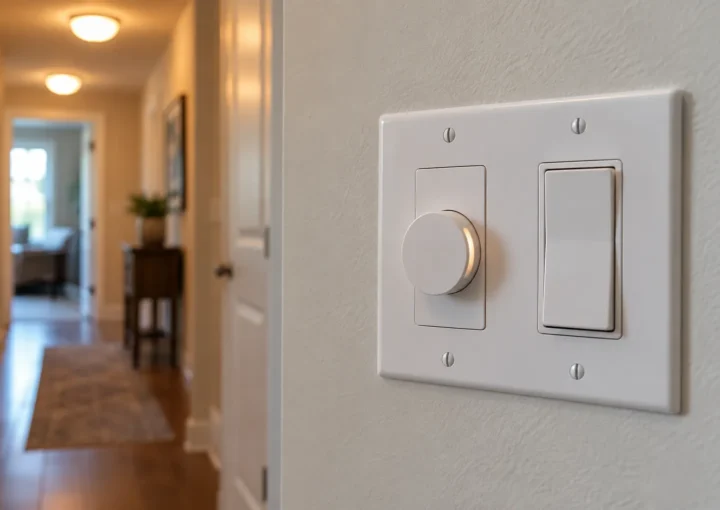
Smart lighting and dimmers looks at usable wall controls, compatible LED drivers, schedules and distinct zones.
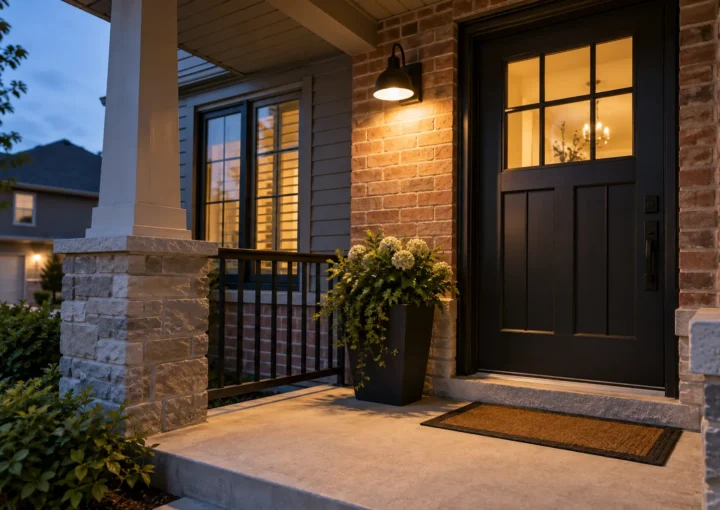
Outdoor and landscape lighting considers entrances, paths, patios and useful nighttime visibility alongside exposure and glare.
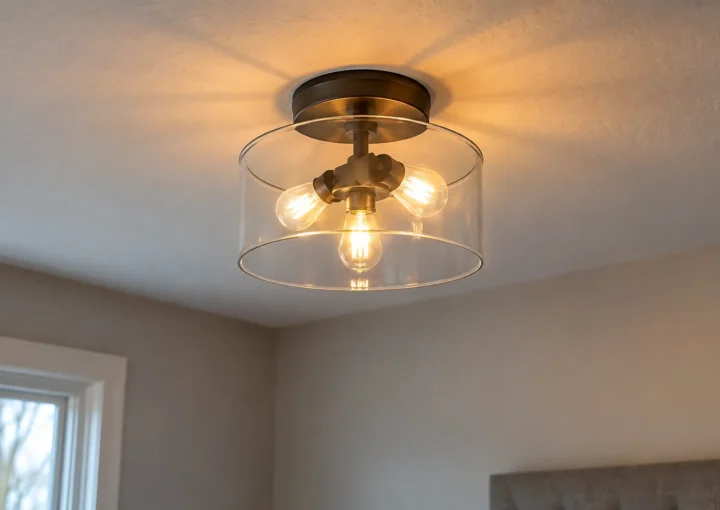
Lighting repairs addresses failed, flickering or buzzing fixtures through a measured troubleshooting process.
Commercial pot lights focus on small business ceilings, task areas, customer spaces, suitable products and practical coordination.
Office lighting upgrades address workstations, screens, meeting areas and daytime comfort.
Retail and studio lighting supports merchandise, service work, circulation and controlled accents without treating every business as the same space.
Plan for the actual setting
An outdoor product is chosen for its specific location and exposure, not just because a catalogue calls it exterior. Commercial premises add operating hours, occupancy and coordination considerations. Dimming and smart controls depend on the exact driver, load and wiring conditions. These factors are reviewed before a scope or product set is finalized.
For repairs, note whether the symptom affects one fixture or a group, when it occurs, the model of any LED or dimmer and any recent changes. For an office or shop, share operating hours, ceiling photographs and how each zone is used. These details help define a sensible assessment and reduce assumptions in the estimate.
Frequently asked questions
Why do some LEDs buzz on a dimmer?
Compatibility, product behavior and wiring conditions can all contribute. The symptom needs assessment before assigning a cause. See buzzing lights and dimmers.
Will a smart switch work with an existing circuit?
That depends on the specific control’s requirements, load and available wiring. Check the product and installation conditions together.
Can a shop stay open during lighting work?
Scheduling and access are project-specific. Share operating hours and high-traffic areas at the outset so the scope can be planned appropriately.
Control by need
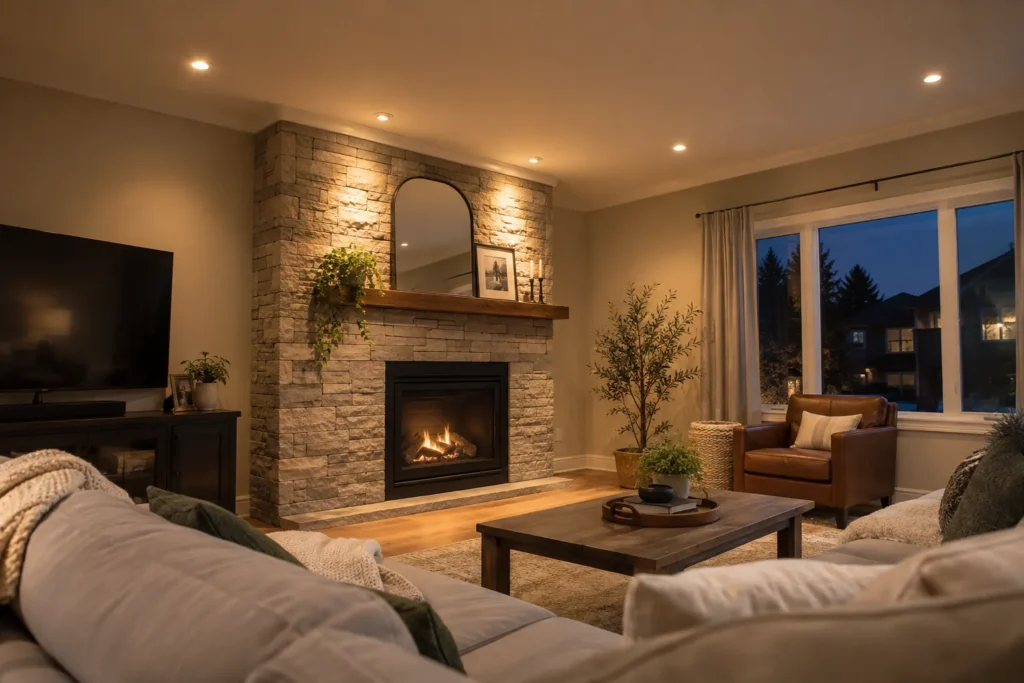
Not every light should follow one schedule or sensor. An entry may benefit from timed operation, a path from a carefully selected low level, and a living room from manual dimming. In an office, a meeting zone may need a separate setting from workstations. Start with who operates the space and what they must do there. Then compare compatible products, wiring and existing controls. An elaborate system without a usable wall interface can make a simple lighting task unnecessarily frustrating.
Repair or upgrade?
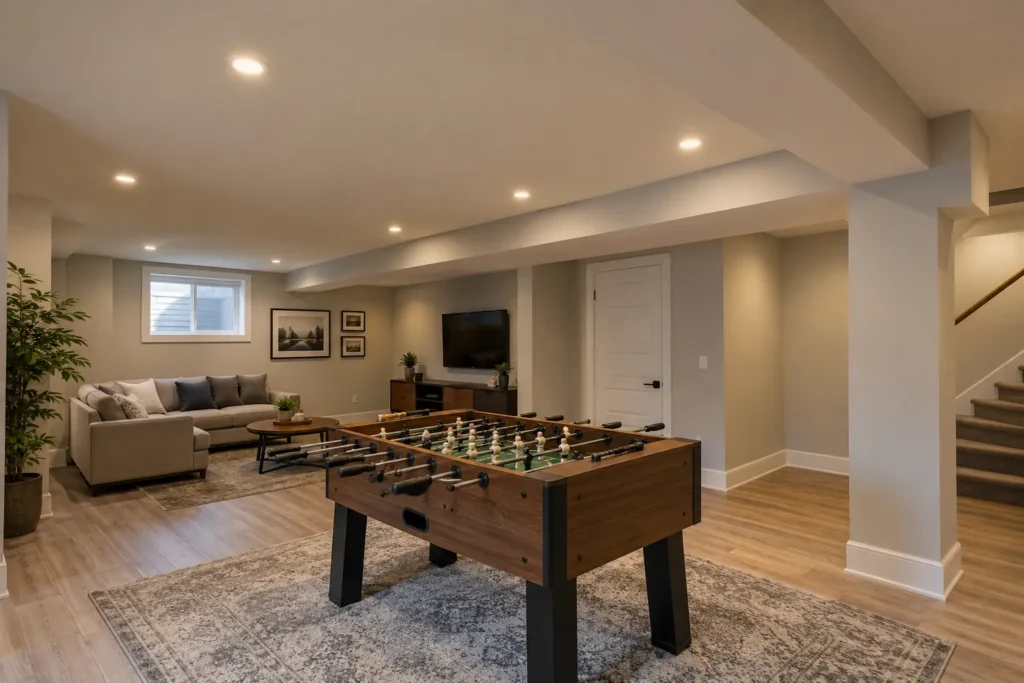
A failed component can sometimes be repaired or replaced within an otherwise useful layout. In other cases, old fixtures, inconsistent colour or poor positioning make an upgrade more sensible than repeated isolated fixes. Diagnosis should come first, followed by a discussion of cost, product availability and how the repaired area will match nearby lights. An assessment may also reveal that the desired change is a layout issue rather than a defective electrical part.
Commercial coordination
A business may need to protect customer access, keep a work area available and schedule intrusive work around operating hours. Ceiling systems, displays and equipment can limit access. A lighting plan should include the tasks and visual priorities of the business as well as product and control selection. Describe any areas that cannot be interrupted, expected future layout changes and the existing fixture types. Those facts are part of the scope, not an afterthought added once installation begins. Document practical scheduling assumptions clearly.
A control scheme people actually use
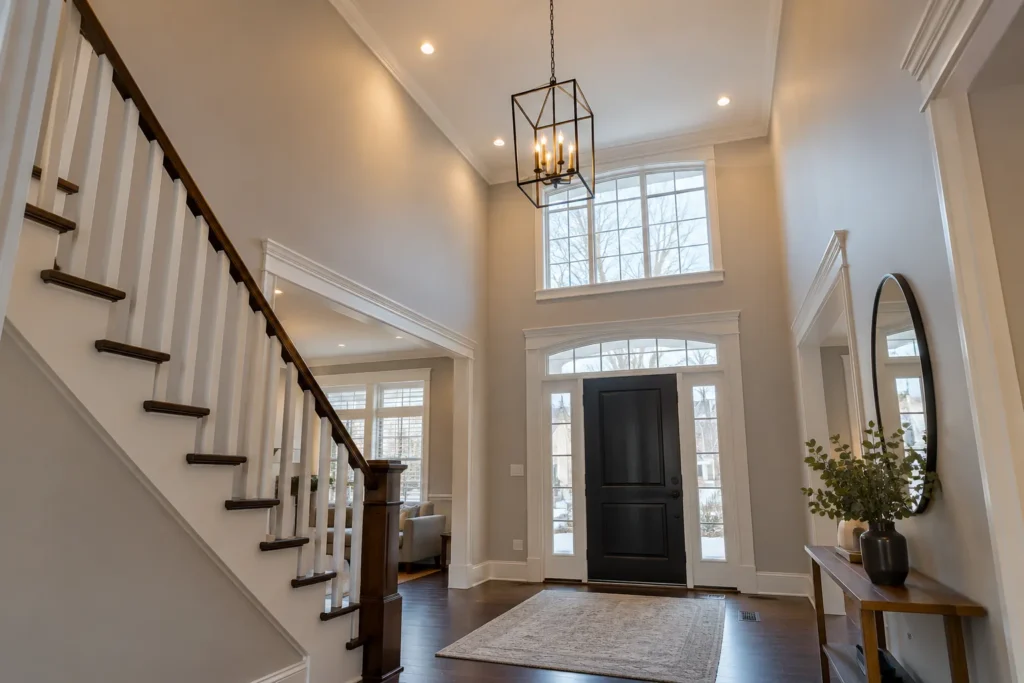
A smart system should make familiar tasks easier, not make basic illumination depend on a personal phone or unreliable network. The wall control should be understandable to residents, visitors and staff. Decide which groups of lights need independent operation, whether scheduled exterior lighting is useful and what manual override is expected. LED drivers, dimmers, loads, neutral requirements and multi-way arrangements vary; product documentation and the existing circuit are reviewed together.
Outside after dark
Outdoor lighting supports a safe-feeling entrance, useful path visibility and architectural character when appropriate. It can also create glare if the beam lands across a neighbour’s window or the brightest point is at eye level. The position, beam, output and schedule need to fit the location. A protected soffit is not automatically identical to a fully exposed mounting position. The fixture and its components must suit the actual exposure and installation instructions.
Troubleshoot the pattern
For a failed light, first record what stopped working and when. Does one fitting fail, an entire zone go out, or does the symptom follow a particular dimming level? Was a product, control or renovation changed recently? That history helps guide assessment, but it is not a substitute for inspection. Similar flicker can arise from different categories of causes. If heat, damaged material, burning odour or protective-device operation is involved, prompt qualified evaluation is more appropriate than continued experimentation.
Office tasks and comfort
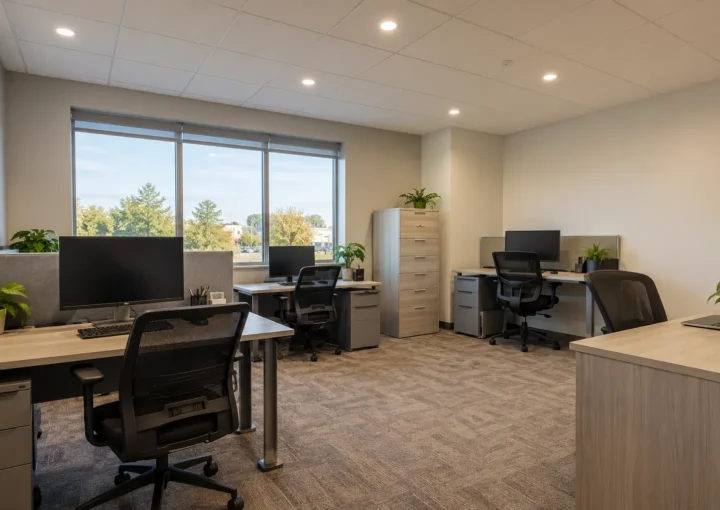
Commercial workspaces need light at desks and meeting surfaces while keeping screens usable. An upgrade should consider occupancy, daylight, fixture maintenance, control zones and the business’s schedule. A powerful ceiling light in the middle of a room may leave the actual workstation with reflections or shadows. Product selection and access can be constrained by the existing ceiling and operational requirements. A practical plan describes how the space is used before swapping every fitting for a brighter one.
Retail and studio priorities
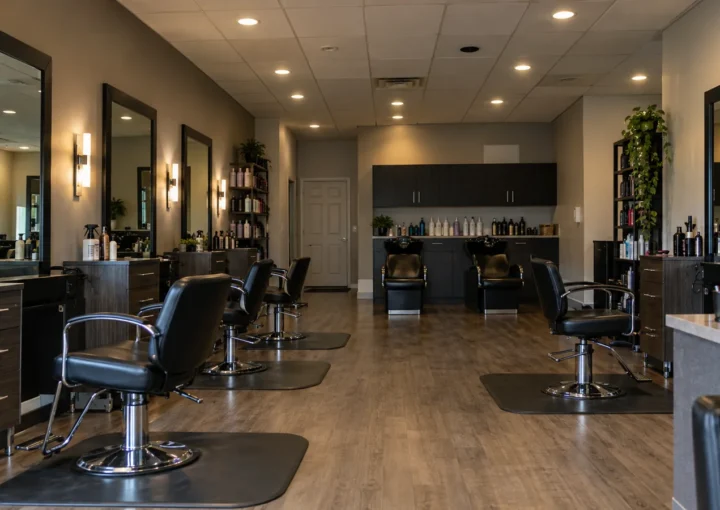
Customer-facing spaces often need legible circulation, accurate product visibility, task light at service counters and selected accents. A salon, boutique and studio do not share one ideal colour appearance or beam distribution. Lighting may need to support careful work while allowing a comfortable customer experience. Describe display locations, mirrors, work surfaces, operating hours and any future layout changes. The scope can then address fixture type and placement without assuming that more downlights always improve the result.
The approval context
Ontario’s ESA process applies to electrical work in homes and businesses according to the work performed. ESA explains notification, review and product approval on its official site. The person doing notifiable work files before starting; a hired Licensed Electrical Contractor handles that step for the work it performs. This is distinct from any municipal building approval tied to a broader renovation. Commercial premises can add coordination and access constraints; those are identified during project scoping rather than promised away on a general service page.