
When a recessed light goes out, the immediate temptation is to buy a matching-looking LED. That can work for a simple product failure, but it can miss the actual problem. A single failed fixture, several lights out on one switch and an intermittent circuit each lead to different questions. The visible symptom does not confirm its cause. Before choosing parts, note exactly what still works, what stopped and whether anything changed shortly beforehand.
If the loss of light is accompanied by smoke, sparking, a hot or damaged control, a burning smell or water entering a fitting, stop using the affected equipment and seek prompt qualified help. Do not remove a recessed unit, touch wiring or repeatedly reset a breaker to make a questionable circuit operate. This page is a guide to describing a lighting fault and planning a professional scope, not a set of electrical troubleshooting instructions.
One fixture, a row or the entire zone?
One dark pot light while adjacent fixtures respond normally may involve that lamp, integrated LED assembly, driver or local connection. The surrounding units matter: identical products installed together can age similarly, but one failed product does not prove all of them need replacement. Determine the model and installation type before specifying a new part.
If every light on a wall control is out, the assessment broadens to the control, power to the circuit and shared connections. If other fixtures or receptacles elsewhere behave oddly, mention that when requesting help. A lighting run that fails occasionally and then returns calls for more care than a straightforward burned-out lamp; timing, heat and control setting may all be relevant. Flickering pot lights covers intermittent output, and buzzing controls addresses accompanying noise.
Some homes have multiple wall locations operating one group, timers for exterior lights or smart controls that can obscure whether the light is actually receiving the expected command. Describe the normal user behaviour: which wall switches or app scenes formerly operated the lights, whether a motion sensor is involved and whether the trouble followed an update. This information helps separate the control question from a fixture failure without promising a conclusion from a photo.
The installed product determines the replacement options
Older lamps in recessed housings
Traditional recessed housings can use replaceable lamps, trims and sometimes compatible LED retrofit assemblies. The details of the existing housing, label and installed lamp determine what can be used. A nominally similar diameter is not enough; thermal suitability, mechanical fit, approved combination, light distribution and dimming all matter. A matched lamp change may be possible without replacing the complete housing, while other cases call for a more substantial LED upgrade.
Slim or integrated LED units
Many slim units combine an LED panel with a dedicated driver. The product may be replaceable as an assembly, but there is no guarantee that a new unit from a different brand shares the same connector, aperture, appearance or electrical characteristics. Mixing one replacement into a ceiling can leave an obvious difference in colour, beam, trim depth or brightness. If the exact model is discontinued, assess whether a compatible replacement can be sourced and how the room will look afterward.
High ceilings and difficult access
A failed pot light in a two-storey foyer or vaulted ceiling is as much an access and future-service question as a product question. The assessment may require safe equipment and planning that differs from a standard-height hallway. A replacement decision should consider how accessible its serviceable parts will remain. High-ceiling pot lights discusses output, angle and maintenance alongside installation conditions.
What to record before requesting service
- Identify the room, approximate ceiling height and whether the ceiling is finished, vaulted or part of an exterior soffit.
- Note whether one light, a group on one control or several unrelated areas are out.
- Mention any dimmer, timer, motion sensor or smart switch involved and whether its behaviour changed.
- Share when the failure began and whether it followed a storm, renovation, lamp replacement or new control.
- Send a safe photo of the visible fixture and whole room; supply an existing product model if you have its packaging or records.
Avoid relying solely on “six pot lights not working.” A kitchen with three dark fixtures on one side may have an entirely different repair scope from six older lamps that have gradually failed one by one. Whether the surrounding lights have a consistent colour temperature and lens also affects the replacement plan. A clear description helps establish priorities and makes a quote more useful.
Repair the fault and protect the room’s lighting quality
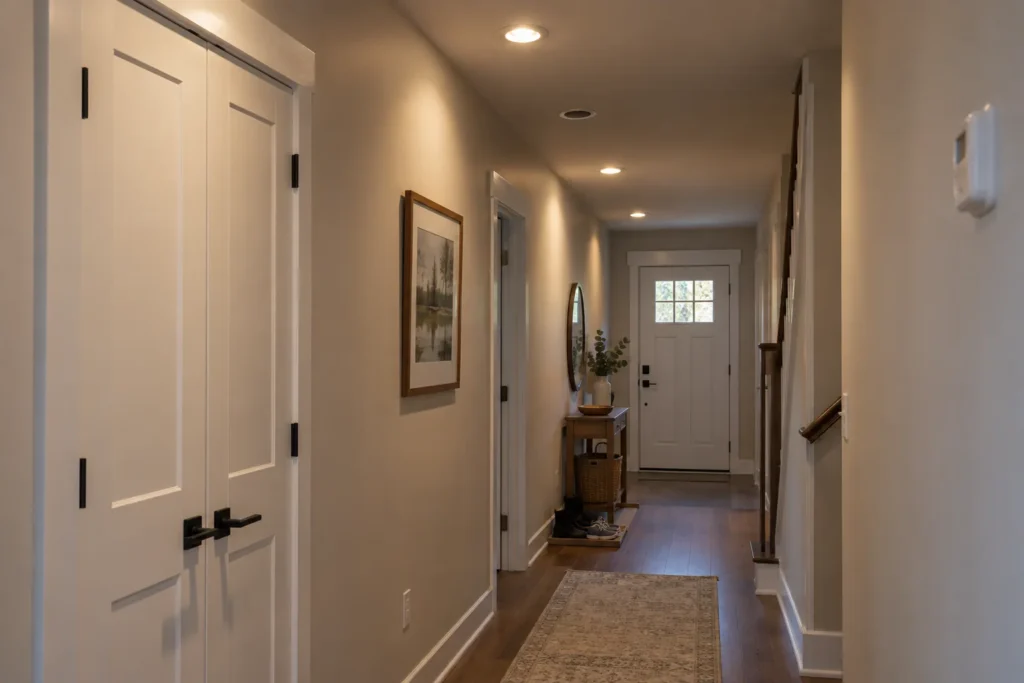
The right repair should restore normal operation and leave the area visually coherent. In an open kitchen and living space, a noticeably cooler replacement may stand out from the dining area. In a narrow hallway, a different beam can leave a dark gap or a bright patch. A dimmer might reveal a mismatch only at evening levels even when all units look similar at full output. Mismatched light colour and pot-light glare discuss those related outcomes.
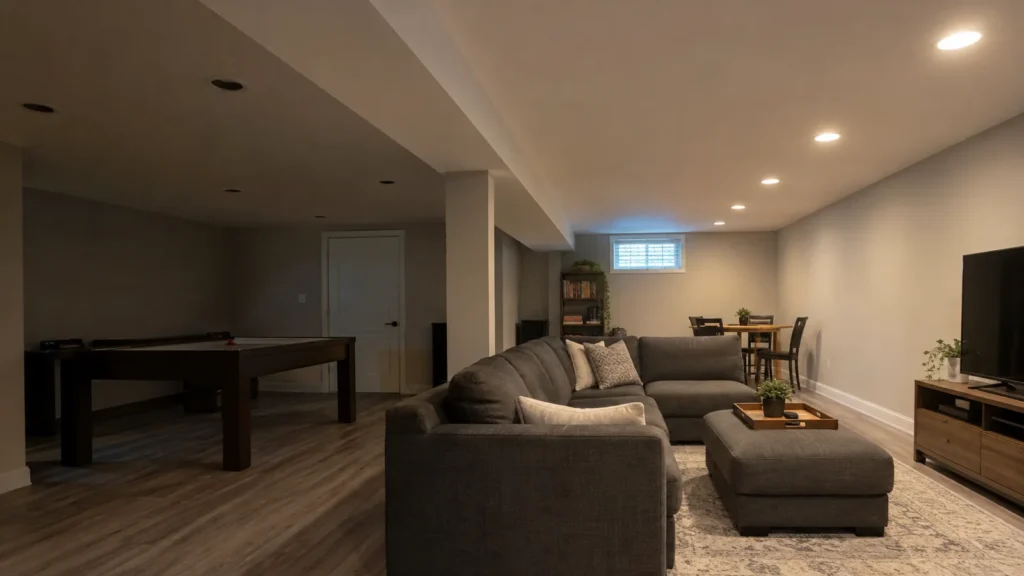
If the room never had enough useful light, replacing failed units with the same output simply restores an unsatisfactory baseline. A homeowner can ask for two scopes: first, repair what stopped working; second, consider a separate layout improvement or task-lighting layer. In a kitchen, light aimed toward counters may matter more than another row over the open floor. In a basement, bulkheads and room divisions may determine where an additional zone belongs. The repair should not be used as an excuse to sell a full new ceiling, but it is a sensible moment to discuss the room’s actual use.
For an outdoor soffit, weather exposure, controls and access add conditions that an indoor replacement does not face. A fixture suitable for a dry interior is not automatically appropriate under a roofline. The installation instructions and approval markings must suit the actual location. Exterior and soffit lights and soffit light problems go further into that distinction.
Scope, electrical process and documentation
An assessment should clarify which equipment is affected, what diagnosis is included, how replacement products will be matched and whether any ceiling opening or finishing work may be necessary. If wiring or controls require work, the quote should say which parts are changed. The final result should be checked at the controls and across the range of use, including dimming where present. No one can responsibly confirm a cause from a dark fixture photograph alone.
In Ontario, the Electrical Safety Authority says a person hired to do electrical work in a home must be a Licensed Electrical Contractor. The person performing work for which notification is required files it with ESA before the work starts. Almost all electrical work requires notification; narrow replacement exceptions should be evaluated against the precise scope and must not be assumed for recessed lighting. An ESA review may use different processes according to project risk, and a passed review results in a Certificate of Acceptance. The ESA guide explains these steps, and product approval guidance helps with fixture selection.
Questions homeowners ask
Is one dead pot light always a bad driver?
No. A failed LED driver is one possibility among product, lamp, control, connection and supply categories. The type of recessed light and the behaviour of adjacent units guide the evaluation. Naming a driver from a distance risks buying the wrong component.
Can one integrated LED light be replaced?
Often, depending on the product and installation, but the exact unit may no longer be available. Check physical fit, approval, output, beam, finish, colour and dimming before treating an apparent lookalike as a match. A consistent group may be preferable where an individual replacement would be visibly different.
Will a finished ceiling have to be opened?
Some equipment can be reached through its existing opening. Other conditions may require more access, especially if routing or a hidden connection must be assessed. The scope should state access and drywall-repair assumptions rather than promising an untouched ceiling before evaluation.
Get a focused lighting assessment
Use contact to tell us how many lights have failed, what still operates, the ceiling type and what controls are present. Include the original fixture model if known and flag heat, odour, water or repeated circuit problems. The lighting repairs page outlines the broader service, while old recessed lighting helps when the system has been in place for years.